A mural gives a restaurant something a paint color never can: a reason for the room to be photographed, remembered, and returned to. But a dining-room mural also has to survive grease, steam, cleaning, and code, which is where design meets the back of house.


A mural as the room's identity
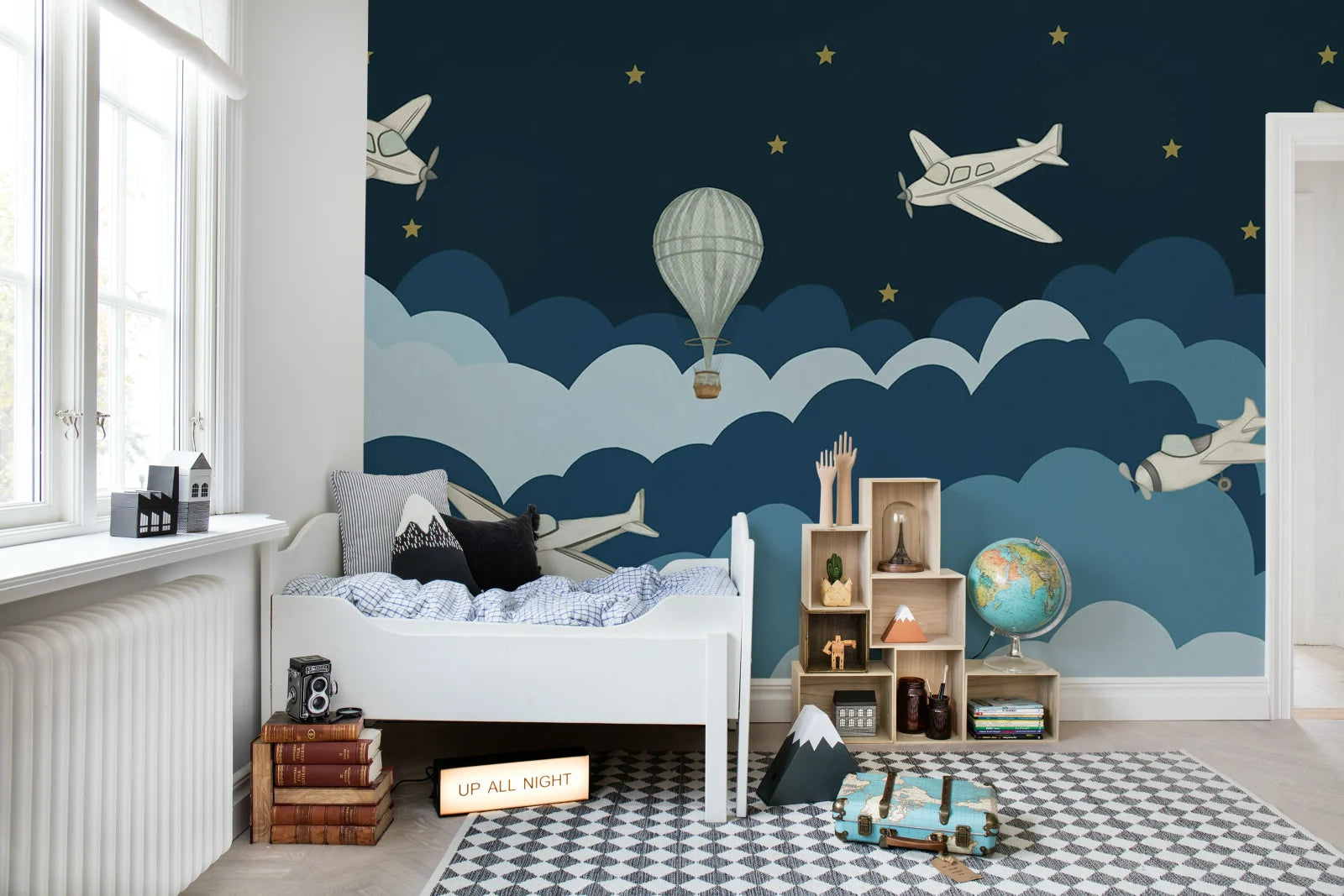
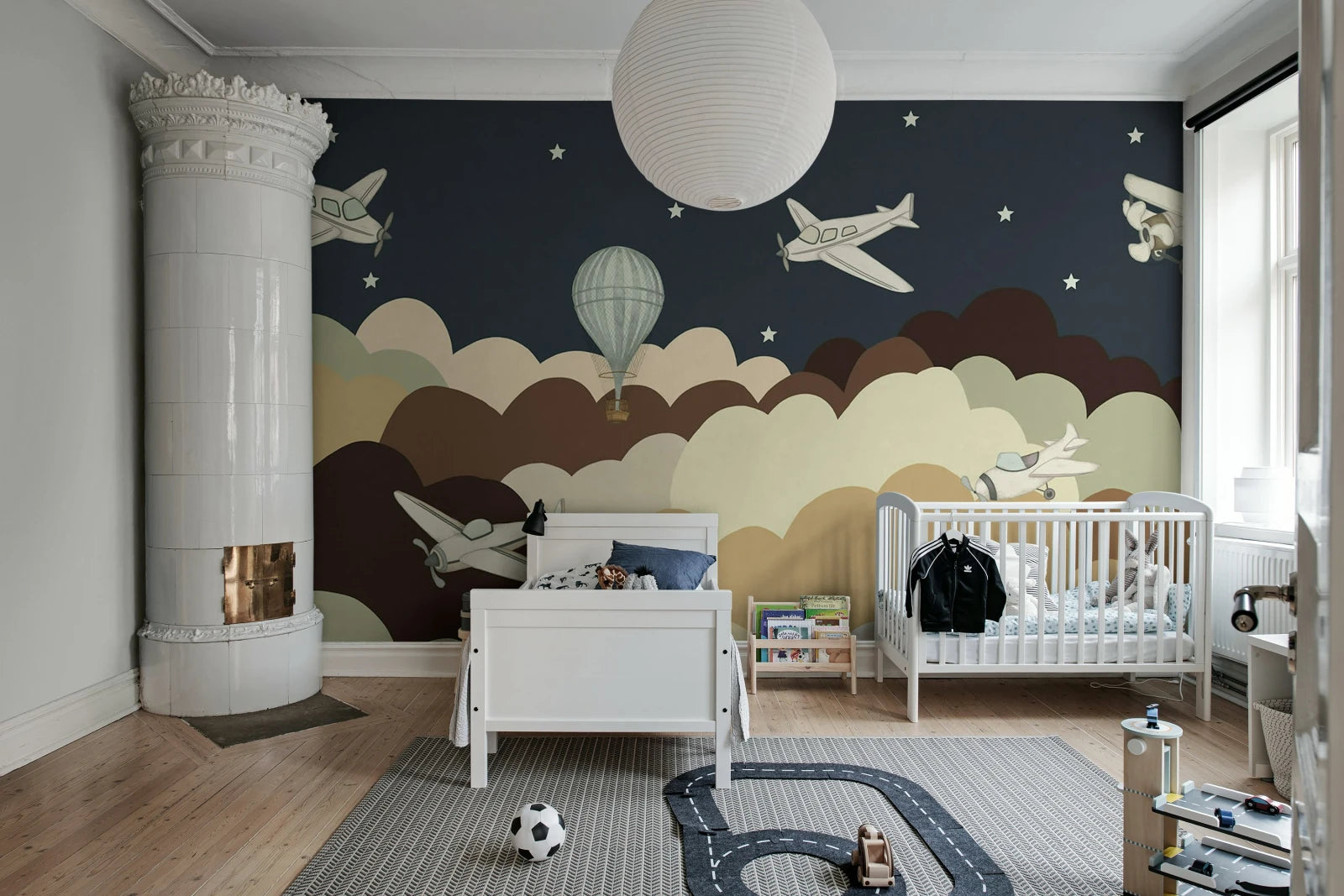
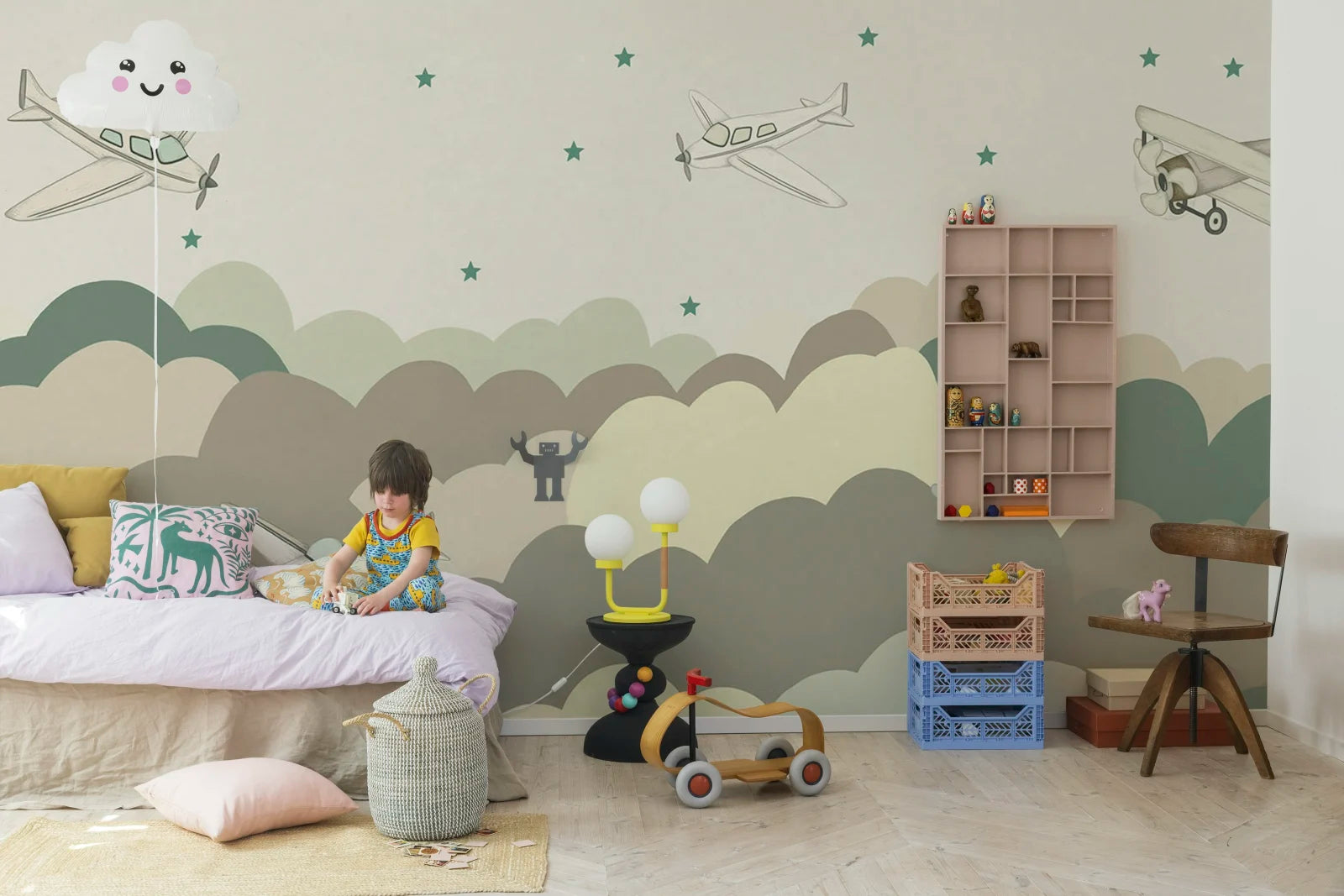
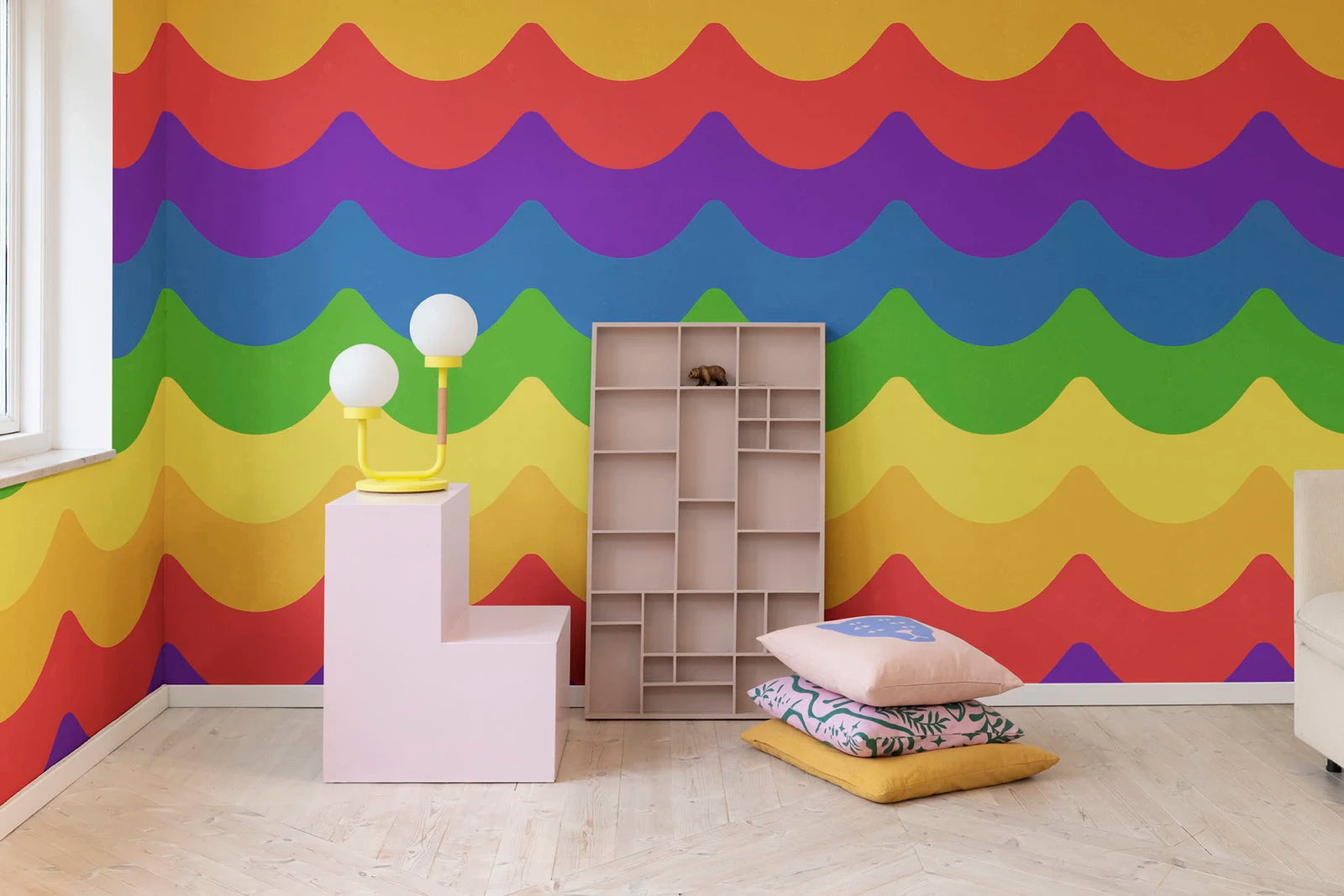
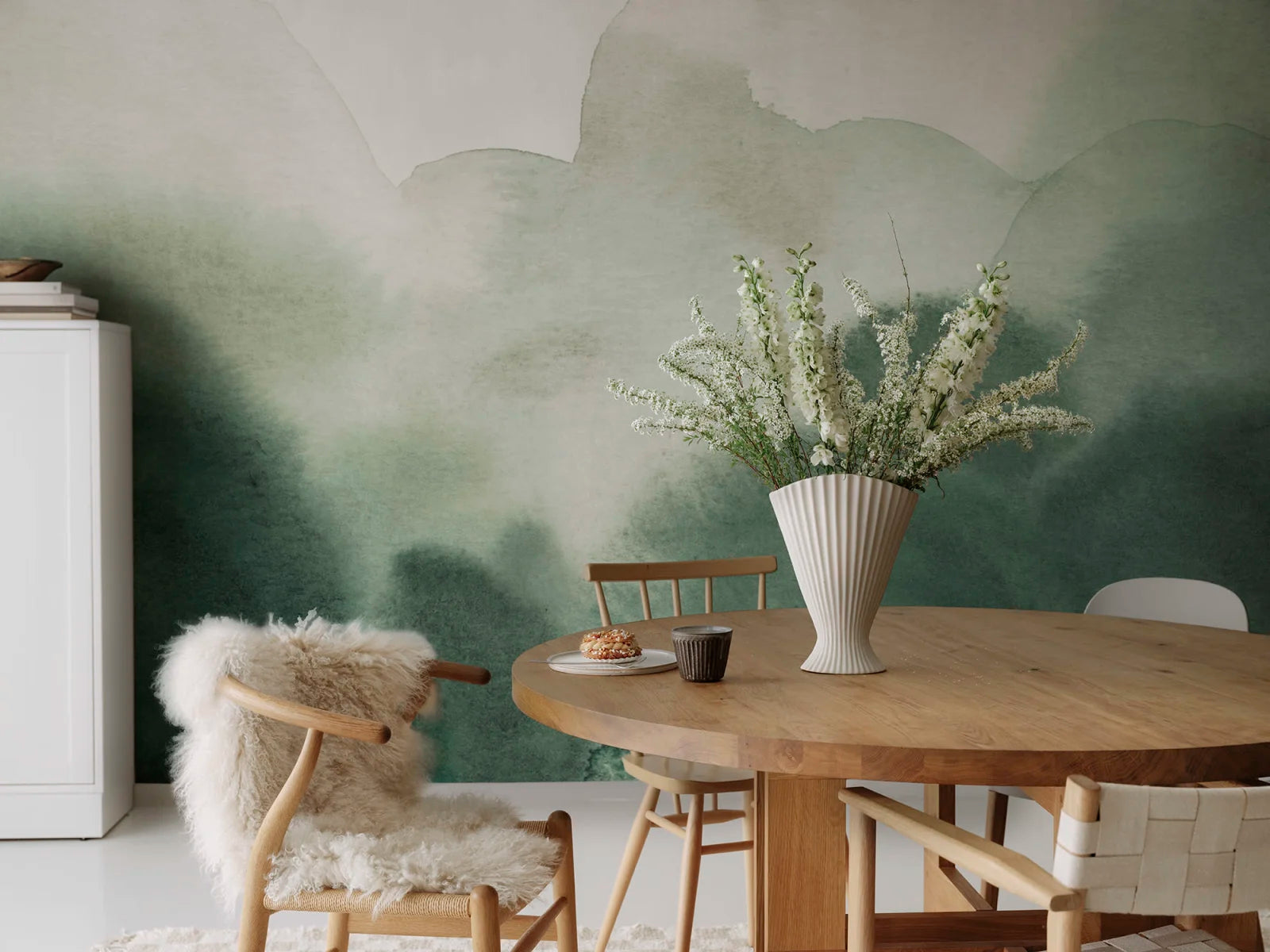
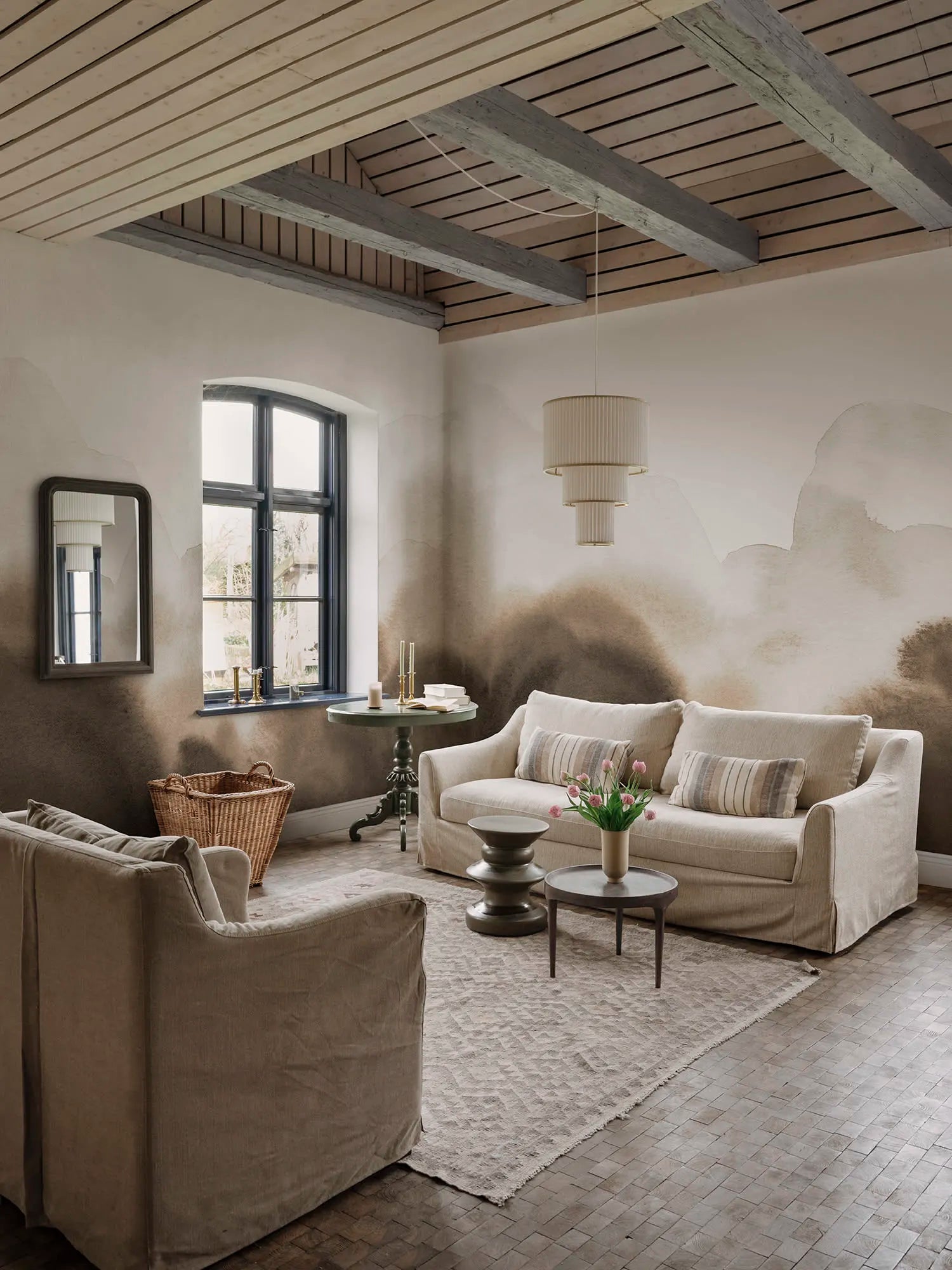
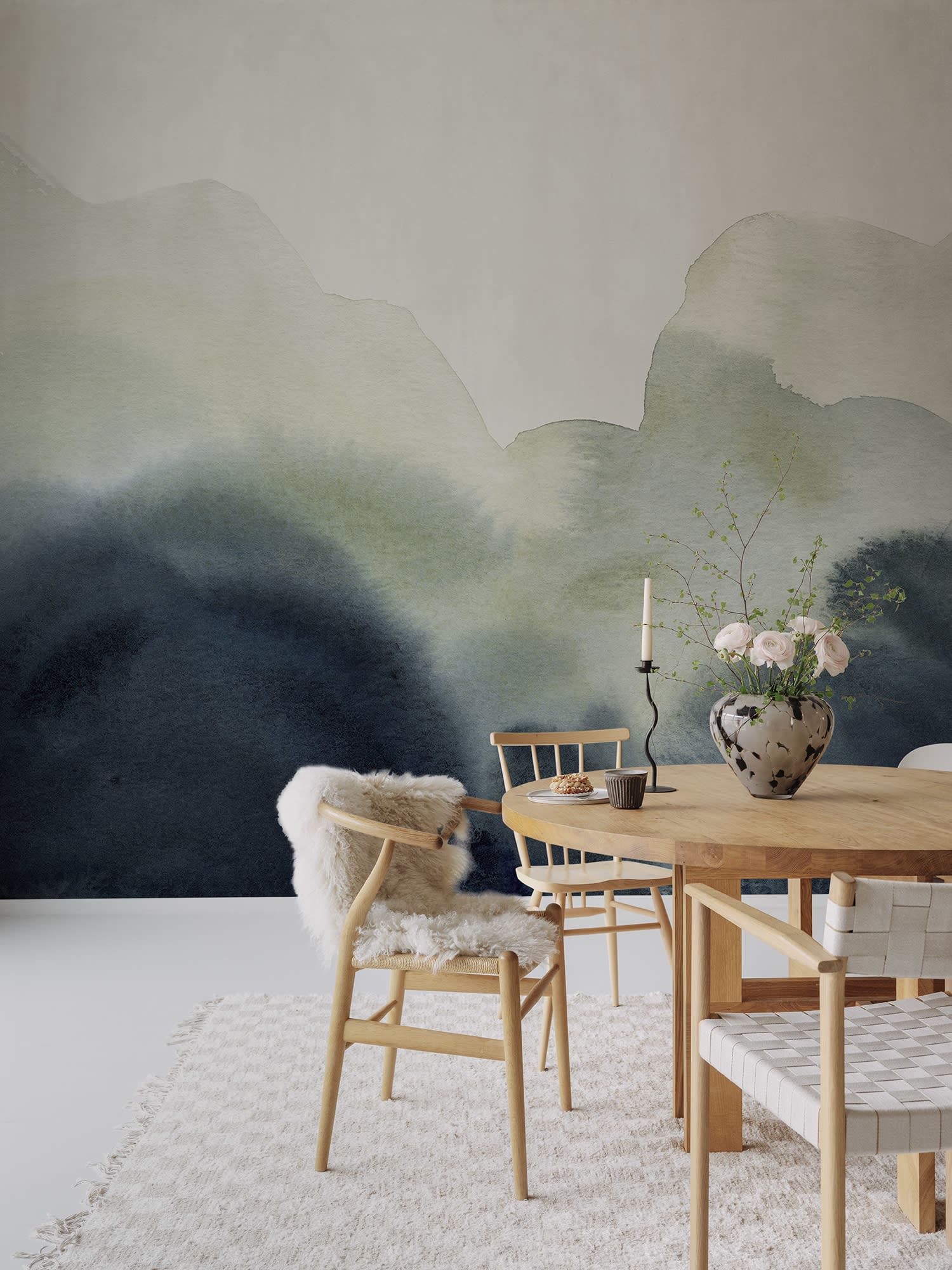
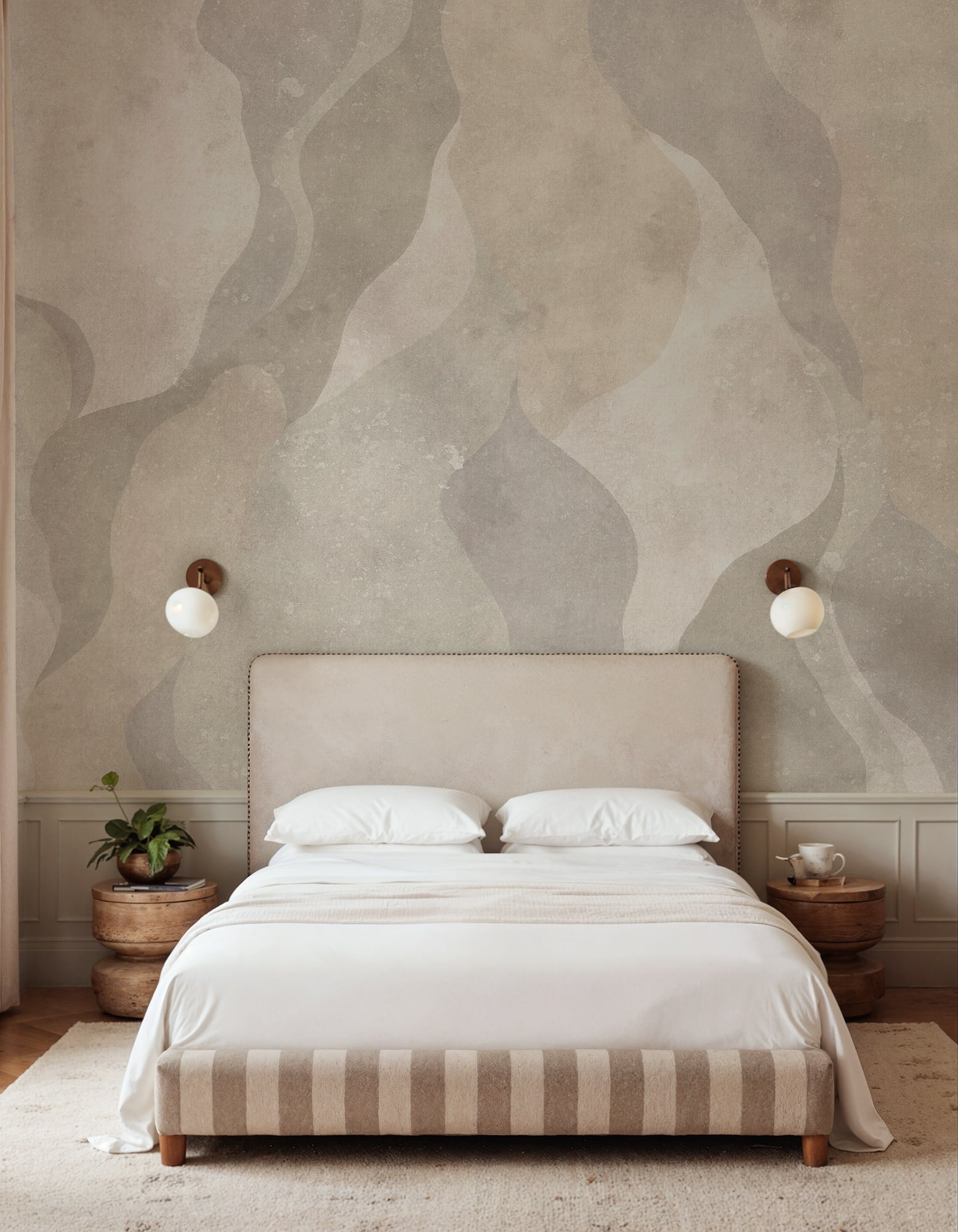
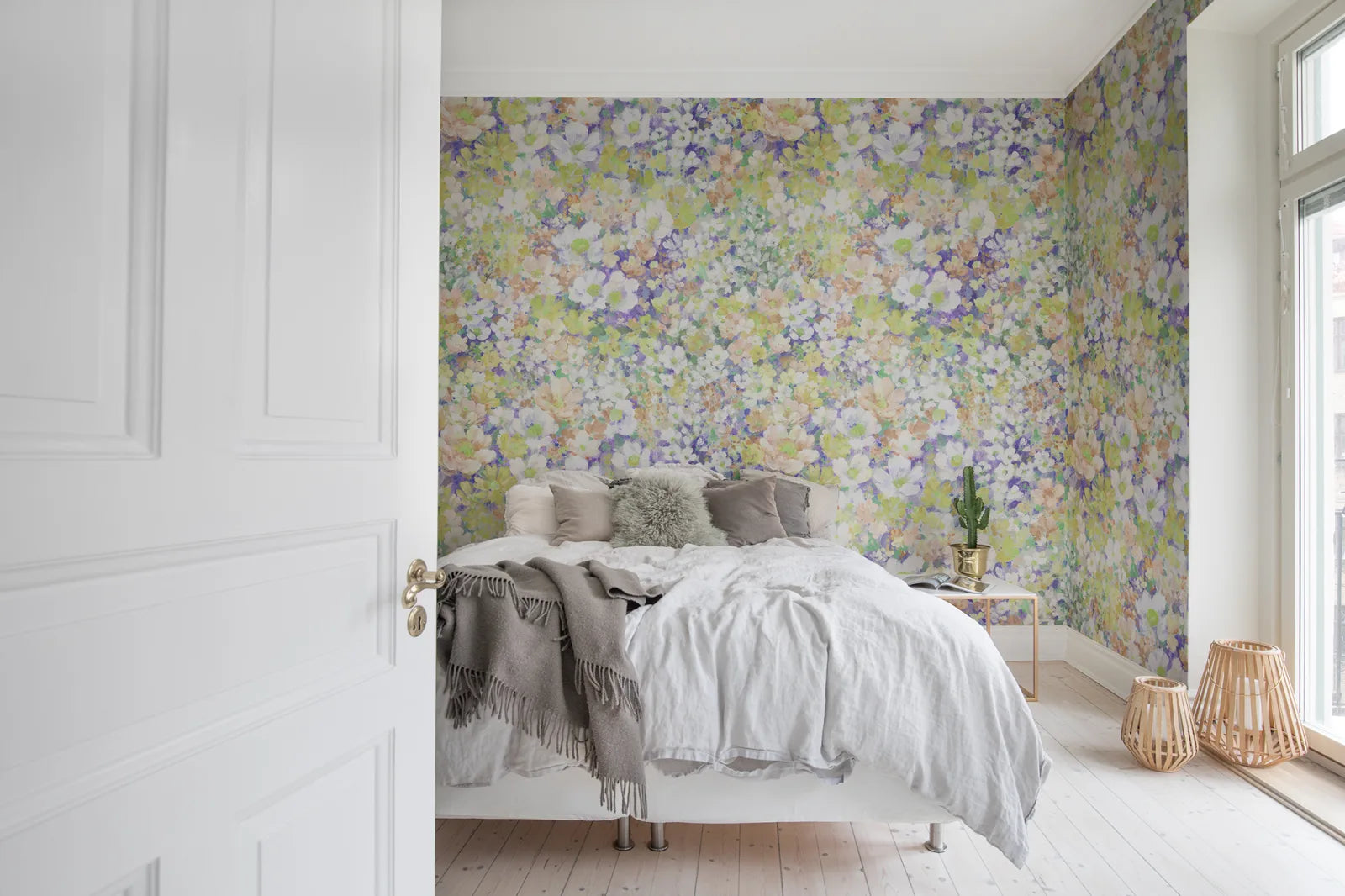
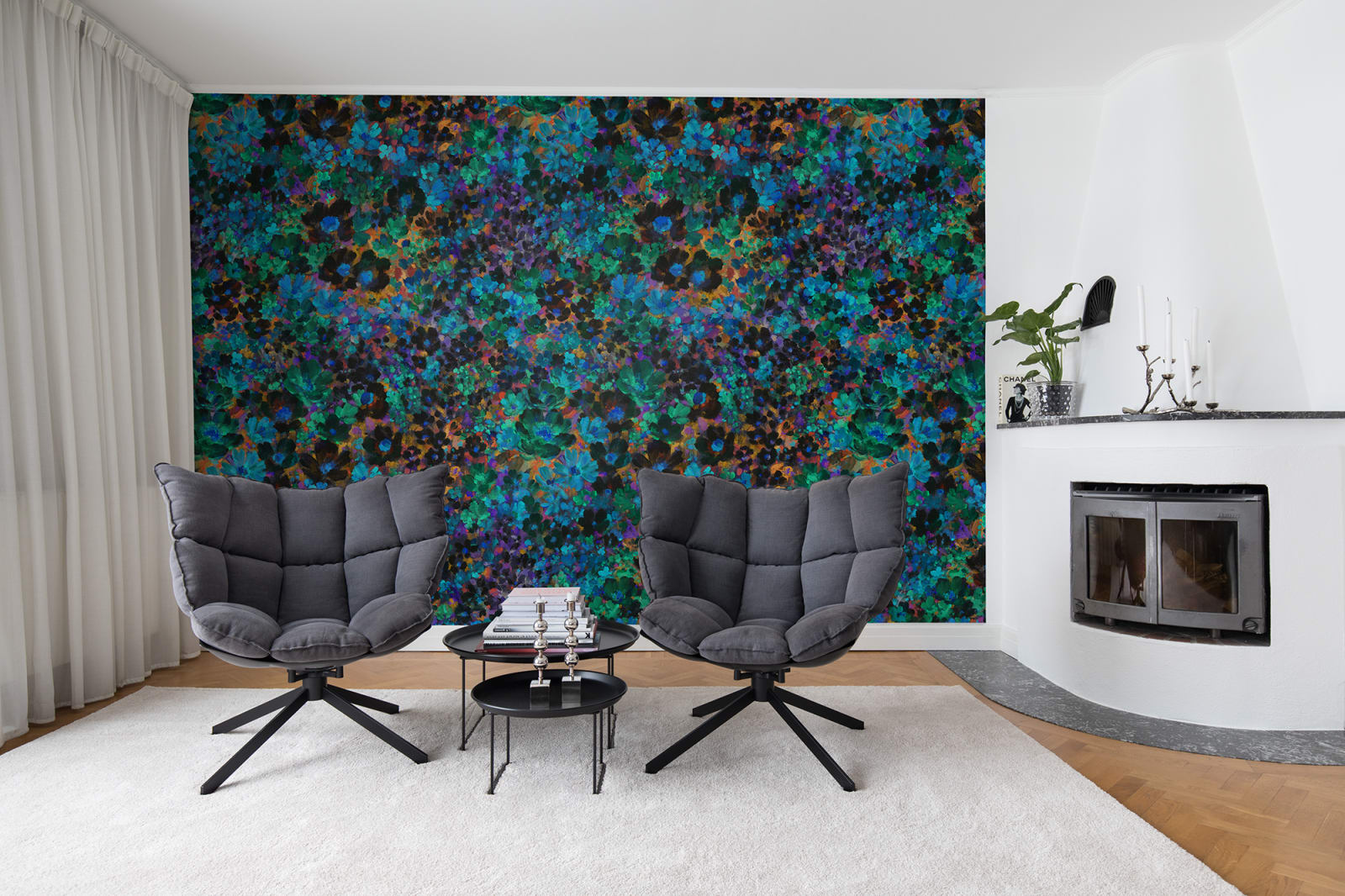
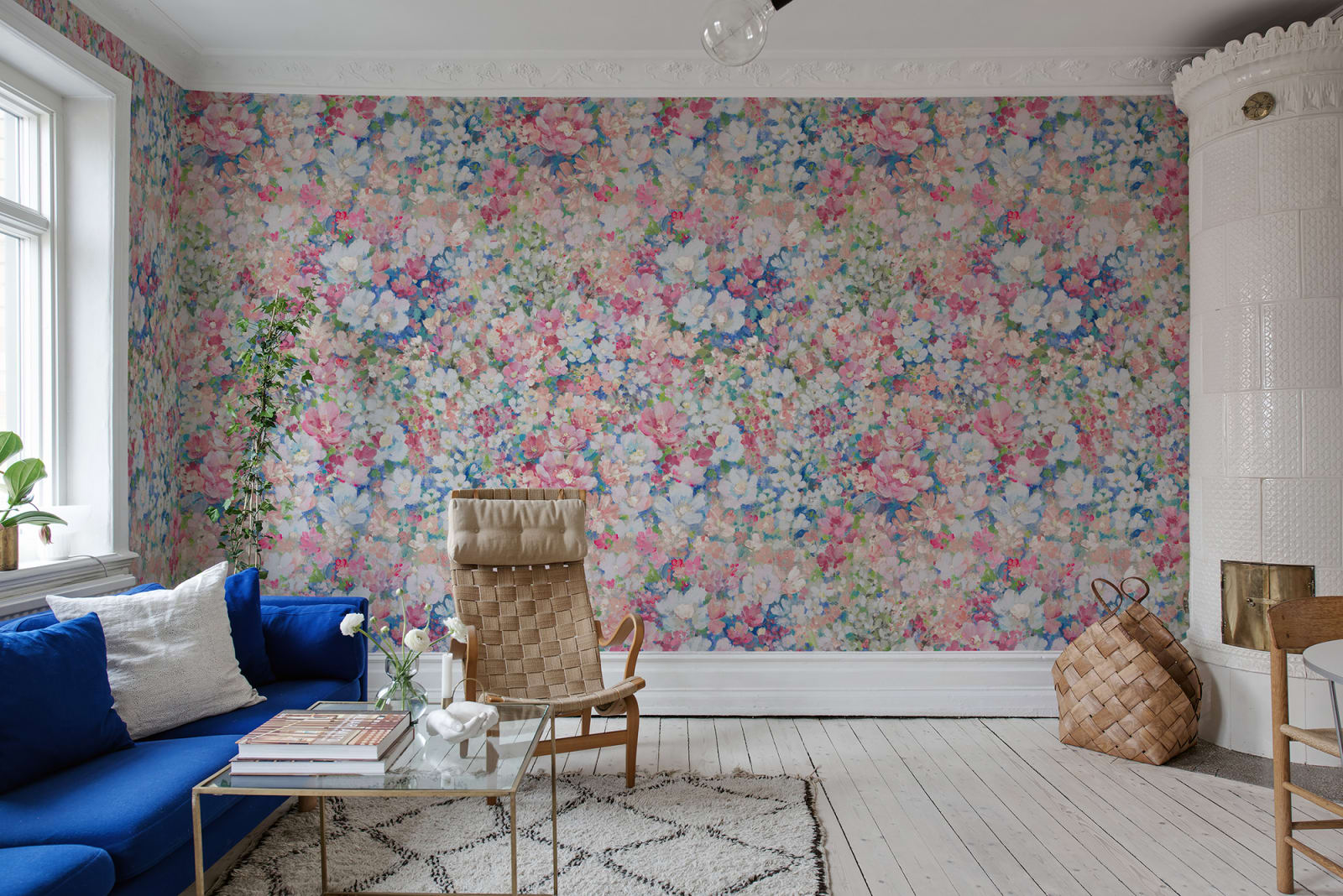
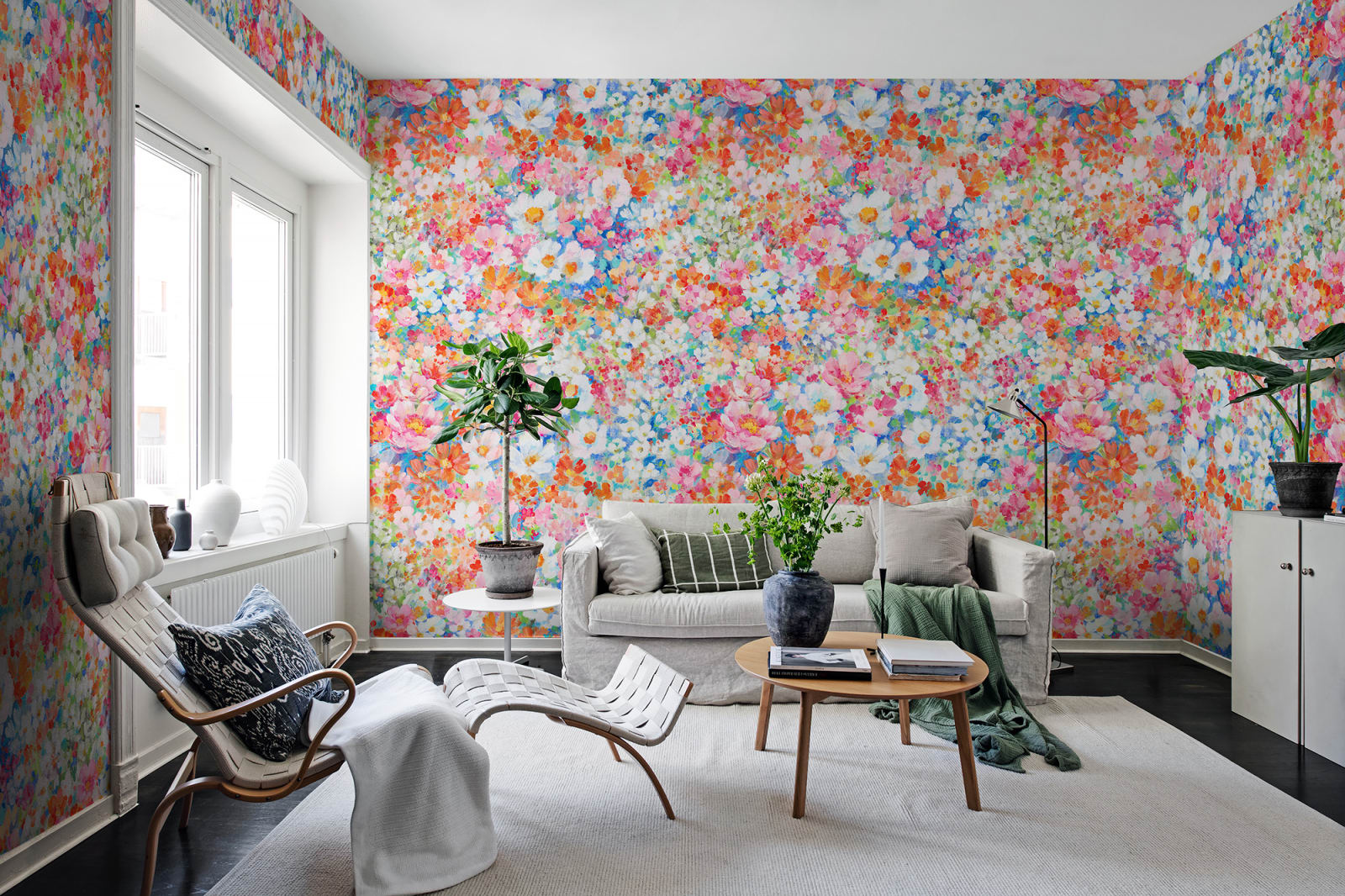
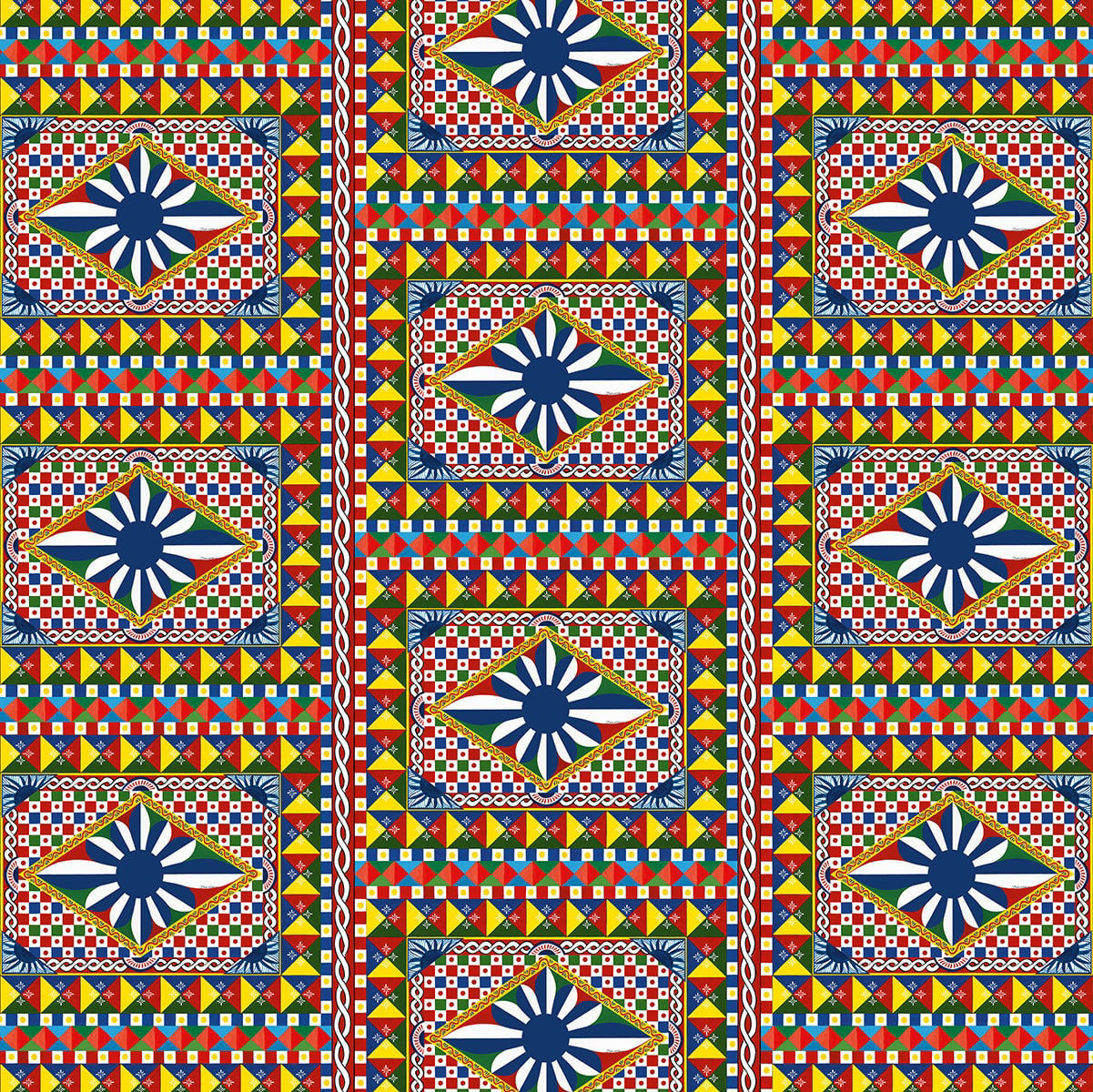
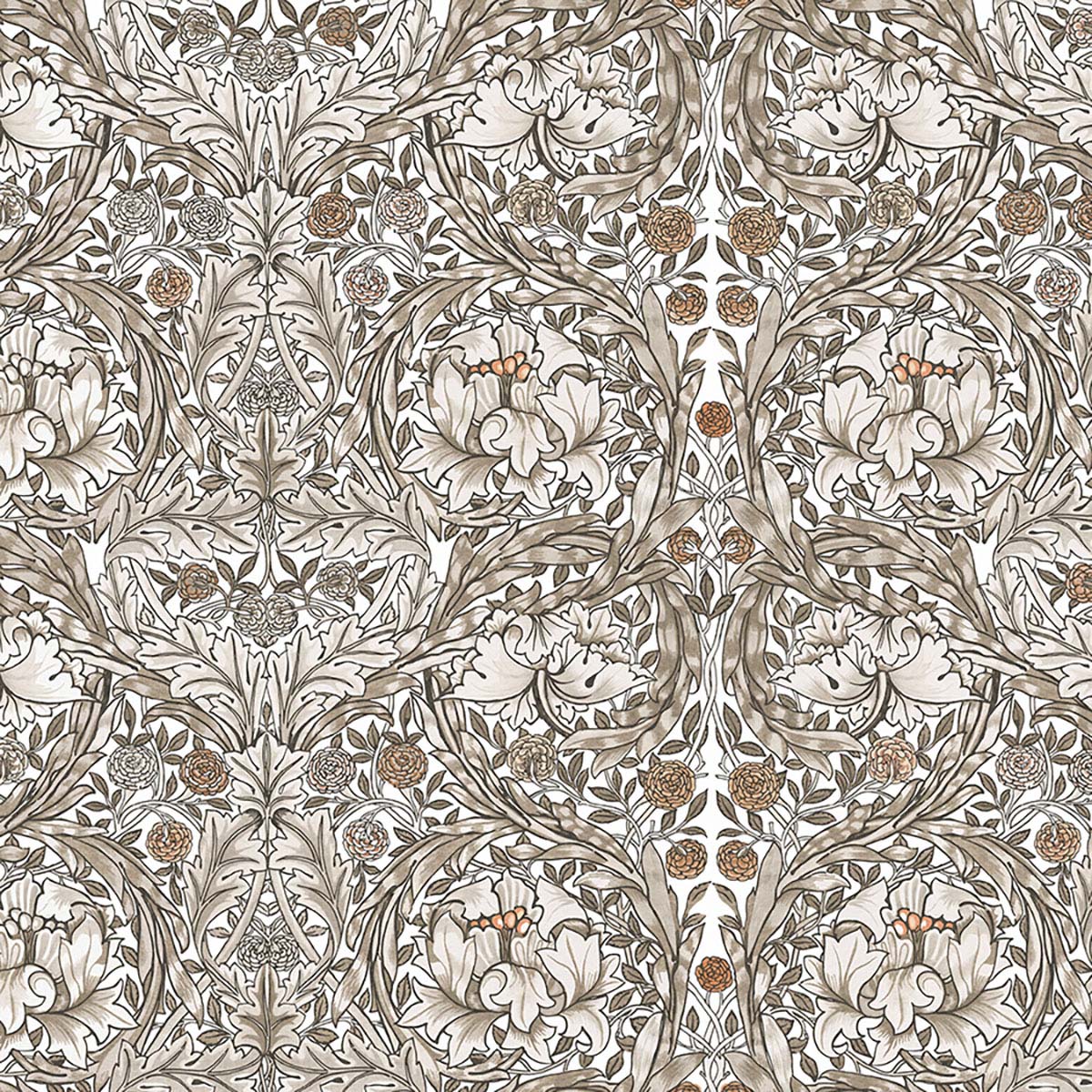
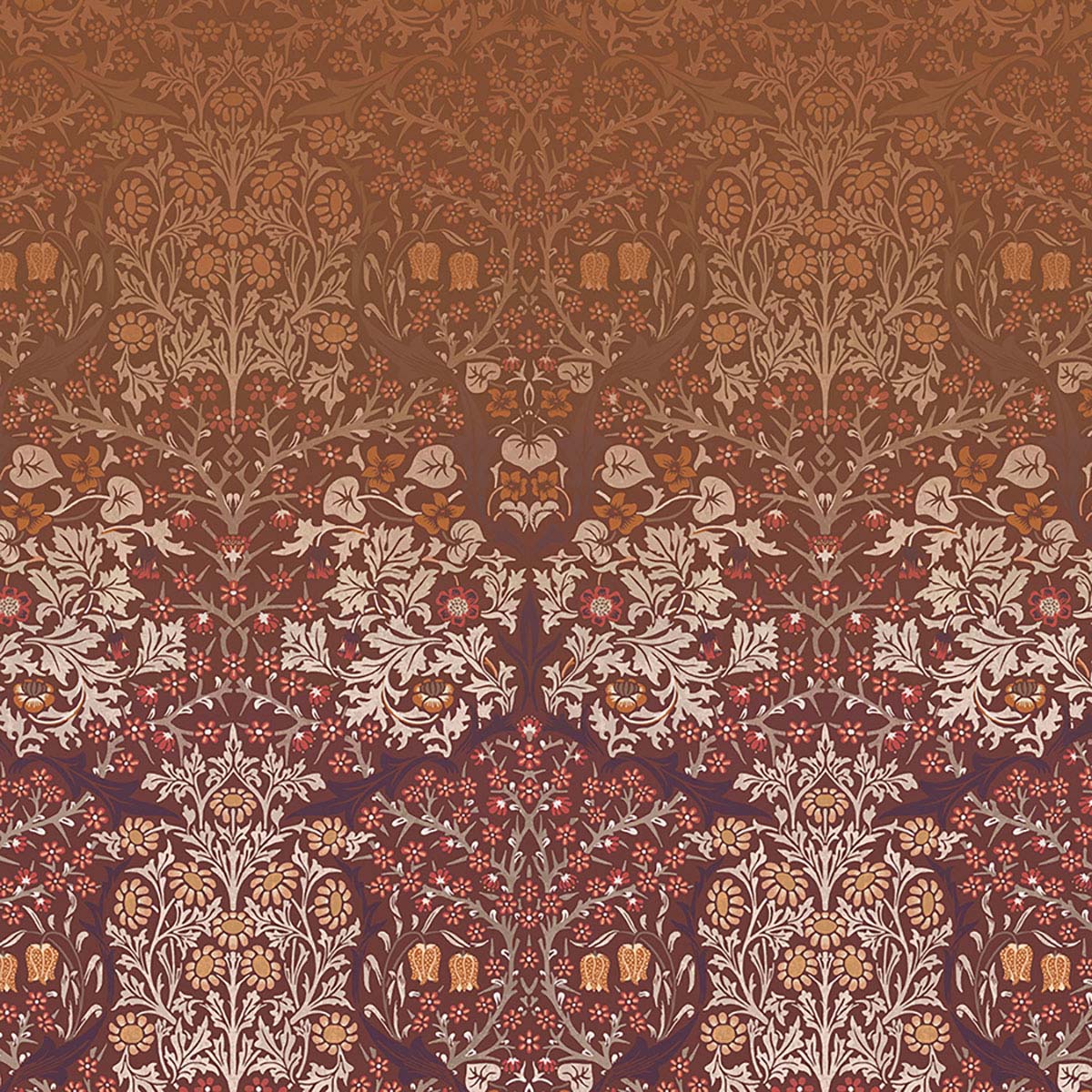
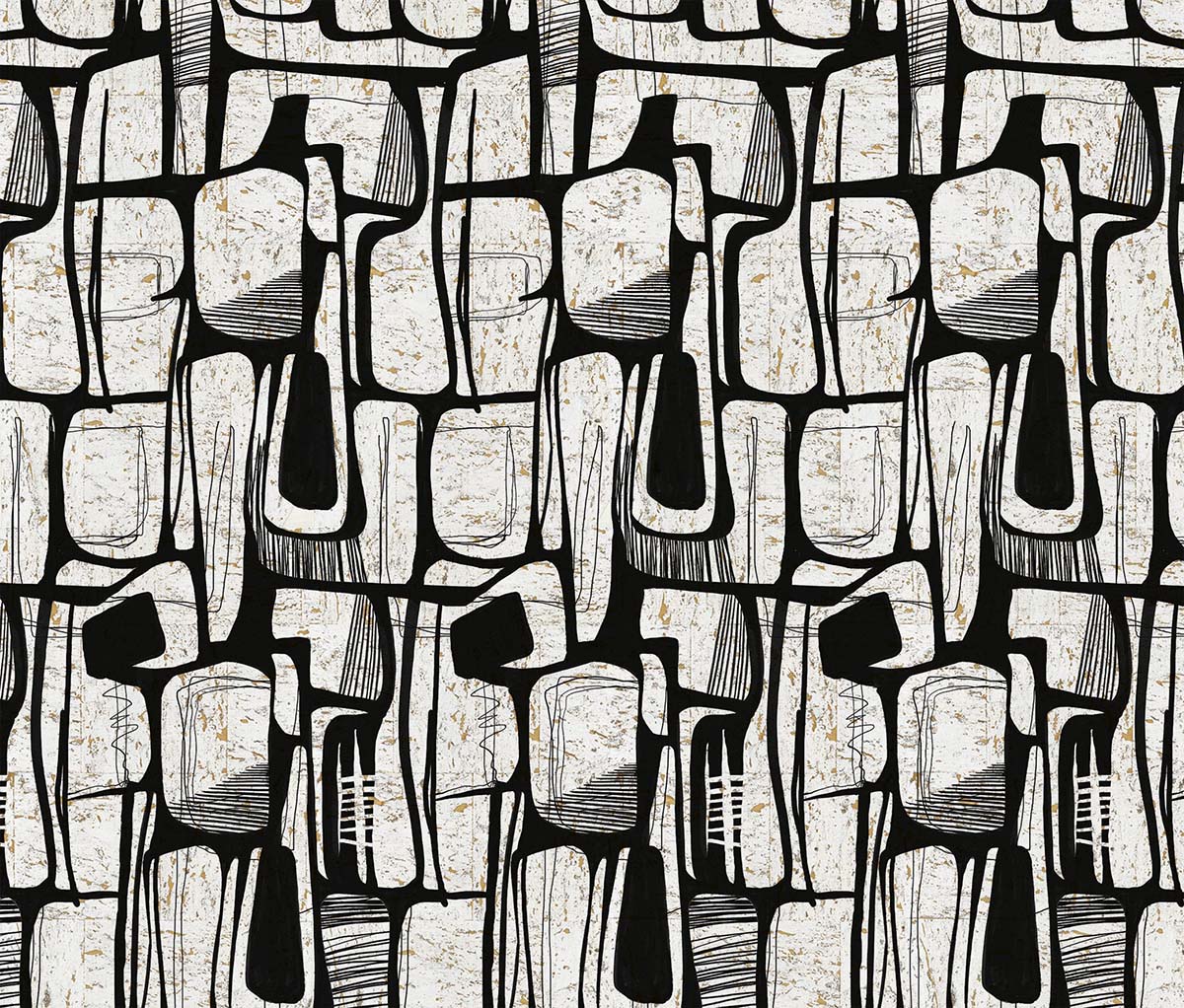
In hospitality, the wall is part of the brand. A well-chosen scenic or panoramic mural sets the tone the moment a guest walks in, gives the dining room a focal point, and often becomes the backdrop every diner shares on social media. That last effect is real marketing value, which is why operators increasingly treat the feature wall as seriously as the menu.
The subject should carry the concept. A trattoria might want a sun-warmed Mediterranean landscape; a cocktail bar might want an abstract, moody wash that reads well in low light. The mural does not need to be literal, but it does need to agree with the food, the lighting, and the pace of the room, or it fights the experience instead of framing it.
Durability in a working dining room
A restaurant mural lives in a harsher climate than a home. Airborne grease, humidity from the kitchen and dishwashing, bumps from chairs and trays, and nightly cleaning all attack the surface. That rules out delicate matte papers for most locations and points toward a coated, vinyl, or laminated substrate that can be wiped down without lifting the ink.
Placement is a durability decision, too. A mural on a high wall above banquette height stays clean far longer than one at chair-rail level where trays and shoulders hit it. Near a kitchen pass or a busing station, a protective laminate or a rigid printed panel takes the abuse better than paper. Designing for where the wear actually happens keeps the scene looking new.
Code, lighting, and scale
Commercial walls answer to code. Wallcoverings and murals in public assembly spaces may need to meet flame-spread ratings, so the substrate and any laminate should be specified to the standard your jurisdiction requires. This is a question to settle before printing, not after an inspector raises it, because a non-compliant install has to come down.
Lighting and scale finish the job. A mural read across a full dining room needs a bolder composition and larger focal elements than one viewed up close in a booth, and it has to hold up under the restaurant's actual light, which is often warm and dim. Reviewing a proof at the true finished size, under representative lighting, prevents the common surprise of a scene that looked crisp on a screen and washes out on the wall.
Quick checklist before you order
- Specify to codeConfirm the flame-spread rating your jurisdiction requires for a commercial wall before printing.
- Choose a wipeable surfaceUse coated, vinyl, or laminated substrates so grease and spills wipe off in a working dining room.
- Protect the wear zoneAdd laminate or place the mural above chair height where trays and shoulders would hit it.
- Design for the lightReview a proof under the restaurant's actual warm, low lighting, not just a bright screen.
- Fit the conceptMatch the mural's subject and mood to the food and the pace so it frames the room, not fights it.
Frequently asked
Do restaurant murals need to meet fire code?
Often yes. Wallcoverings in public dining areas may require a flame-spread rating, so specify a compliant substrate and laminate for your jurisdiction before ordering.
How do you clean a mural in a restaurant?
Choose a coated or laminated mural and wipe it with a damp cloth and mild cleaner; avoid uncoated paper murals anywhere grease or spills can reach.
Where should a mural go in a dining room?
On a high-visibility wall above chair height, away from busing stations and the kitchen pass, so it stays clean and reads across the room.
Read more
- Where restaurants put murals, and whyThe focal wall, the entry, the banquette run, and the photo wall: the design logic behind where a restaurant mural goes.
- The grease problem: why a restaurant mural needs a coatingAirborne kitchen grease, daily cleaning, and why food-service murals are printed on scrubbable coated substrates rather than plain paper.
- Fire code and the dining room: what a mural has to passASTM E84 Class A, NFPA 101 interior-finish rules, and assembly occupancy: the fire-safety facts that govern a restaurant mural.
- Fitting a panoramic mural to a wall you cannot casually reprintMeasuring, panel layout, seams, and made-to-order lead time: how a scenic or panoramic mural is fit to a specific restaurant wall.
- Can a mural help a loud dining room?Hard surfaces, reverberation, and printed acoustic panels: where wall art helps a noisy restaurant and where it does not.
- Lighting a mural for evening serviceWarm dimmed light, color rendering, and grazing versus wall-wash: how to light a restaurant mural so it reads at dinner.